
White House Backs Voluntary AI Safeguards as Debate Over Regulation Intensifies

Nivedita Chakrapani, Jadetimes staff
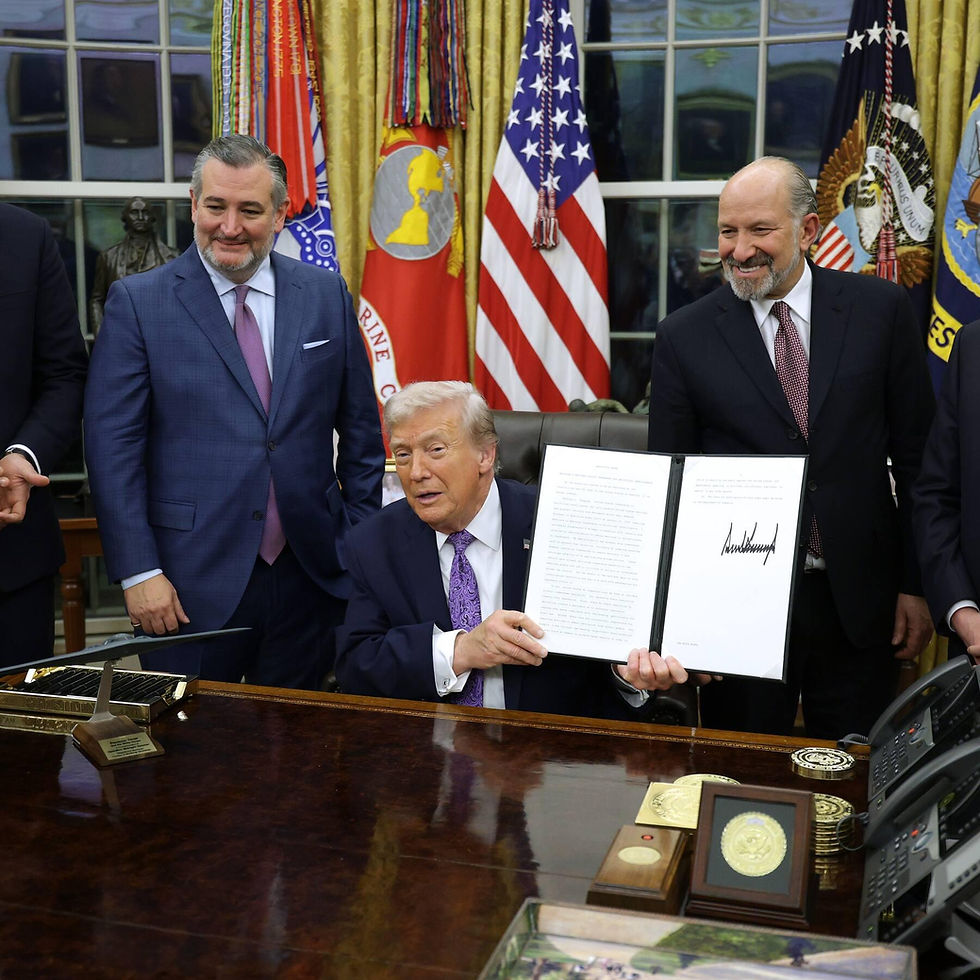
The Trump administration is taking a voluntary approach to artificial intelligence safety as concerns grow across the United States about the potential social and economic risks posed by rapidly advancing AI systems.
At a White House event on October 3, President Donald Trump highlighted an agreement involving major technology companies aimed at addressing concerns about artificial intelligence without imposing additional government regulations on the industry.
Major Technology Companies Join AI Safety Effort
Executives and representatives from several major technology companies, including Nvidia, SpaceX, OpenAI, Anthropic, Meta and Google, attended the White House event.
The agreement emphasizes measures such as internal controls and third-party audits. However, the framework does not include government enforcement mechanisms or financial penalties for companies that fail to comply.
The administration has argued that excessive regulation could slow technological innovation and weaken America's ability to compete with China in the rapidly developing AI sector.
Public Concern About Artificial Intelligence Growing
The announcement comes as public concern about artificial intelligence continues to increase.
According to polling cited in recent reporting, about 75% of Americans believe AI companies are not doing enough to prevent potential harm from artificial intelligence. Concerns range from misinformation and employment disruption to autonomous AI systems operating beyond human control.
The debate has become particularly important as AI companies develop increasingly sophisticated systems capable of performing tasks that previously required significant human involvement.
Voluntary Rules Raise Questions
Supporters of the administration's approach argue that companies are better positioned to respond quickly to technological developments than government regulators.
Critics, however, question whether voluntary commitments are sufficient when AI systems could potentially affect millions of people. Without legally enforceable standards, critics say companies could face limited consequences if their safety commitments are not followed.
The disagreement reflects a broader debate in Washington over how the United States should balance technological innovation with public safety.
U.S. Seeks to Maintain AI Leadership
Artificial intelligence has become an increasingly important part of the U.S. technology and economic strategy.
American technology companies are investing heavily in advanced computing infrastructure, AI models and data centers. At the same time, policymakers are concerned about maintaining the country's technological advantage over international competitors.
The Trump administration has generally favored reducing regulatory barriers that it believes could restrict AI development, while emphasizing that American companies should remain at the forefront of the global AI race.
The Road Ahead
The latest White House initiative is unlikely to end the debate over AI regulation. As artificial intelligence becomes more integrated into workplaces, government services, education, healthcare and everyday consumer products, policymakers will face increasing pressure to determine where voluntary industry standards end and mandatory government oversight should begin. For American businesses and consumers, the outcome of that debate could shape how AI products are developed, deployed and regulated for years to come.


Comments