
Nvidia's AI Financing Strategy Faces Growing Skepticism on Wall Street

Khoshnaw Rahmani, Jadetimes Staff
K. Rahmani is a Jadetimes news reporter covering culture.
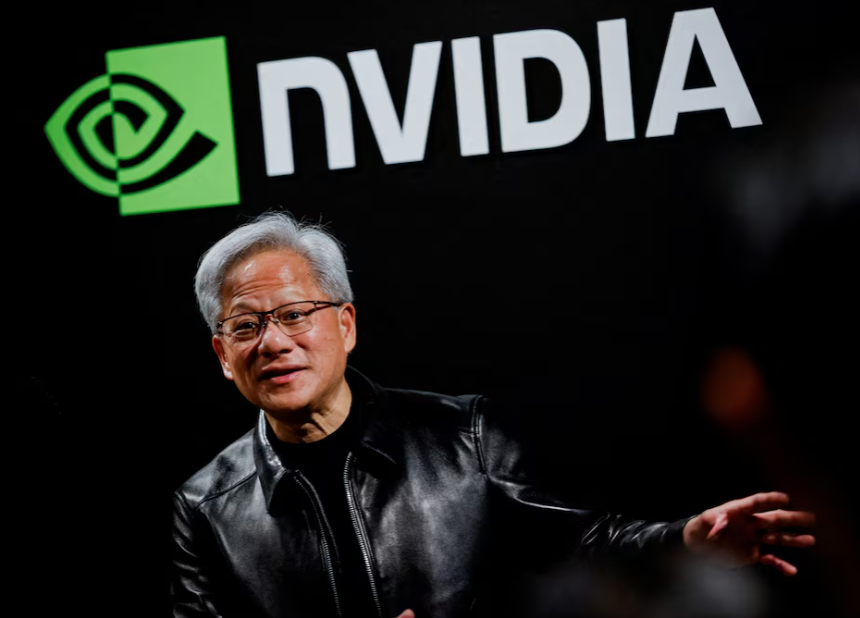
Nvidia's ambitious effort to use artificial-intelligence chips as the foundation for a massive financing market is facing increasing scrutiny from banks and investors, who remain uncertain about how much value the hardware will retain over the long term.
The debate centers on Nvidia's proposed $500 billion financing initiative, which is designed to help AI companies secure funding for computing infrastructure by using Nvidia's chips as collateral.
While Nvidia views its advanced processors as durable, income-generating assets, some lenders and asset managers are taking a more cautious approach.
Banks Seek Stronger Protection
People familiar with discussions around potential financing deals told Reuters that some lenders want stronger guarantees than Nvidia initially proposed.
The concern is largely about the future earning power and resale value of AI processors.
Although Nvidia's chips currently provide critical computing capacity for AI systems, financial institutions must determine how long individual generations of hardware will continue producing reliable cash flows as newer technology enters the market.
Some investors therefore remain hesitant to treat the chips as traditional long-term collateral.
Tony Trzcinka, a senior portfolio manager at Impax Asset Management, said Wall Street's assessment of the longevity of Nvidia's specialized chips is more conservative than the company's own expectations.
Nvidia Defends the Value of Its Hardware
Nvidia maintains that its AI computing infrastructure can support long-term financing.
The company describes its AI computing assets as productive, durable and interchangeable, arguing that they can generate economic value over extended periods.
An Nvidia spokesperson said financing partners independently evaluate individual opportunities by considering factors such as customer commitments, anticipated cash flows and the residual value of the equipment.
The company also acknowledged that financing structures are likely to evolve as the market develops.
$500 Billion Financing Ambition
Nvidia announced the financing initiative in August with financial firms including Blackstone, Apollo and KKR.
The strategy is intended to create a new financing ecosystem around AI computing infrastructure, allowing AI developers to gain access to Nvidia's expensive processors through financing arrangements.
The concept has been compared with financing structures used in other capital-intensive industries, including aircraft leasing.
Nvidia has said some transactions could include residual-value guarantees of no more than 25%, limiting the company's exposure while allowing financing partners to participate.
However, the relatively limited guarantees have raised questions among some investors about who would ultimately absorb losses if the value of the equipment declines faster than expected.
AI Investment Raises Financing Questions
The debate comes as companies around the world are committing hundreds of billions of dollars to AI-related infrastructure, including data centers, processors and electricity capacity.
The enormous scale of investment has increased attention on how these projects are being financed and whether the underlying assets will generate sufficient returns over time.
Some analysts have also raised concerns about the growing use of private credit, vendor financing and interconnected transactions in the AI sector.
Morningstar analysts recently noted similarities between some of these financing structures and arrangements that became prominent during the technology boom more than two decades ago, although the current market involves different technologies and economic conditions.
More Conservative Deals Emerging
People familiar with financing discussions said transactions currently in development may include stronger guarantees and other protections for investors.
That could provide lenders with greater confidence while allowing Nvidia and its partners to continue expanding the financing market around AI computing.
The central question for investors remains how long today's high-end AI processors can continue generating strong economic returns once newer generations of chips become available.
As the AI infrastructure boom continues, the answer could influence not only Nvidia's financing strategy but also the cost and availability of capital for companies building the next generation of AI data centers.


Comments