
Why Do Humans Rule the World?

Ravichandran Harini, Jadetimes Staff
What Makes Our Species Earth's Most Dominant Life Form?
A cheetah can outrun any human alive. An eagle can spot a rabbit from a mile in the sky. A lion can kill with a single swipe, and a dolphin can navigate dark oceans by sound alone. By almost every physical measure, humans are unremarkable animals: slow, weak-jawed, thin-skinned, and clumsy in water. Yet we build cities on every continent, fly beyond the atmosphere, and reshape entire ecosystems at will. If nature has produced so many superior athletes, why does one middling primate run the planet?
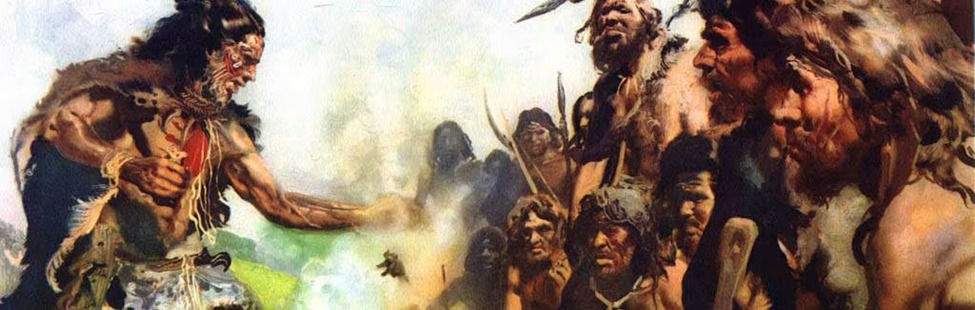
The answer lies not in muscle but in mind, and not in the individual mind but in the collective one. Roughly 300,000 years ago, Homo sapiens emerged with an unusually large, energy-hungry brain. That brain, paired with upright walking that freed the hands and a voice box capable of nuanced sound, set the stage for something no claw or fang ever could: cumulative culture. Early humans learned to make fire, craft tools, and read landscapes, then passed that knowledge to their children, who improved upon it further.
Language turned this trickle of knowledge into a flood. Where a chimpanzee can warn its troop of a nearby leopard, a human can explain how a leopard hunts, teach a child to avoid it, and write the lesson down for people not yet born. Speech, and later writing, let us store memory outside our skulls and transmit it across generations, a feat unmatched by even the cleverest crows, octopuses, or elephants.
That accumulated knowledge built agriculture, then cities, then science and industry, each layer multiplying human reach over the last. Chimpanzees fashion twigs into termite tools; elephants mourn their dead; dolphins call each other by name. But no other species combines symbolic language, abstract reasoning, and cooperation among strangers at continental scale.
That power now carries weight. WWF's 2024 Living Planet Report found that monitored wildlife populations have declined by an average of 73 percent since 1970, a warning that human dominance is reshaping the biosphere itself.
Our intelligence built the modern world, but wisdom, not cleverness, will determine whether that world remains livable. The species that learned to reshape nature must now learn to protect it.


Comments