
Nature’s Deadline: Can the World Deliver on Its Biodiversity Promises?

Aadhya Tibrewal, Jadetimes Staff
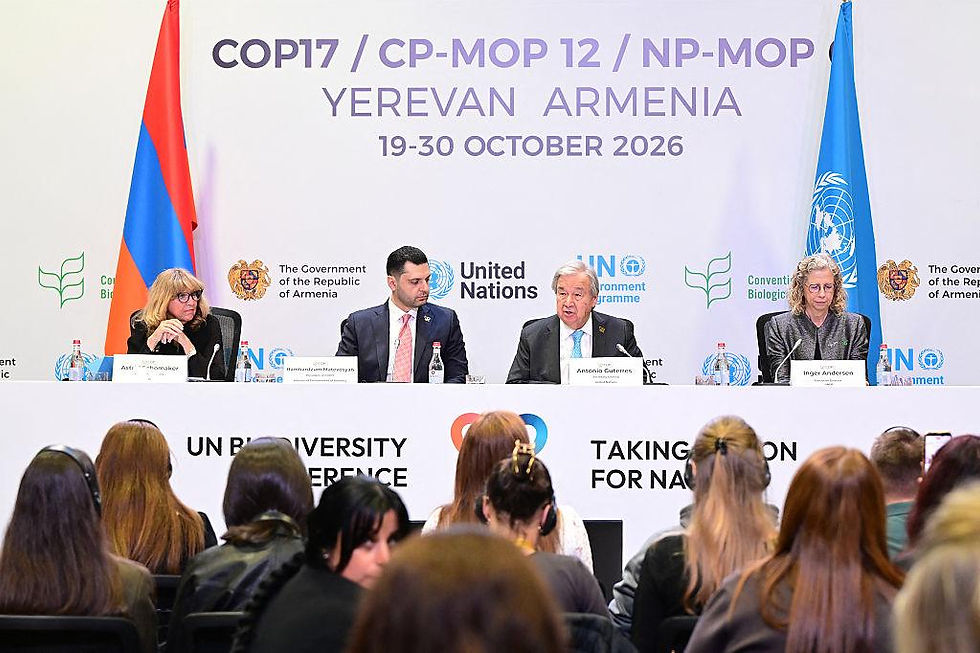
Governments are gathering to discuss biodiversity at COP17 in Yerevan, Armenia, scheduled for October 19–30, 2026. The conference takes place as countries approach the 2030 deadline for major conservation goals. It offers an opportunity to examine what has changed since those promises were made.
One important commitment is to conserve at least 30% of land, inland waters, coastal areas and seas by 2030. This target belongs to the Kunming–Montreal Global Biodiversity Framework. However, protection means more than placing an area inside a boundary on a map. The target calls for effective management and conservation results.
A protected forest or wetland needs resources and regular monitoring. Its status means little if damaging activities continue without an effective response. The framework also emphasises connected habitats, helping protected areas function as part of a wider landscape. Conservation needs to account for the way ecosystems work beyond administrative boundaries.
Another major issue is conservation funding. Reporting before the conference identified a gap between international ambitions and the money available to support them. Without dependable resources, plans can struggle to move into practice. Long-term financial support is therefore central to making the commitments workable.
Protecting biodiversity must also respect Indigenous peoples and local communities. The framework recognises their rights and participation in decisions affecting their territories. Progress should therefore be assessed through environmental results and fair decision-making together. The conference’s value will depend on the practical steps countries take after it ends.


Comments