
A Sweet Victory for Tradition: Sri Lanka’s Kithul Tapping Inscribed on UNESCO’s Heritage List
- Vithanage Erandi

- Jan 17
- 2 min read
Vithanage Erandi Kawshalya Madhushani, jadetimes staff
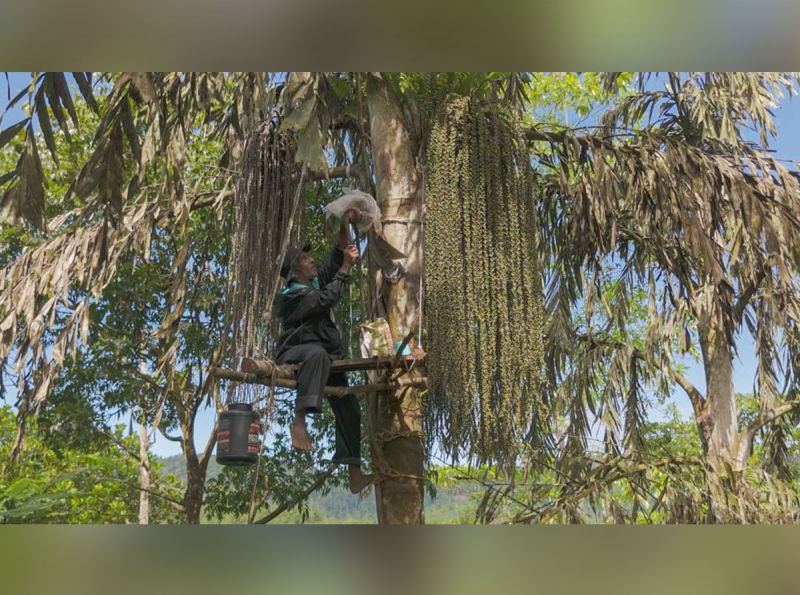
In a historic moment for Sri Lankan heritage, the ancient indigenous practice of Kithul Madeema (or Kithul Kapeema) has been officially inscribed on the UNESCO Representative List of the Intangible Cultural Heritage (ICH) of Humanity.
The landmark announcement was made during the 20th Session of the Intergovernmental Committee for the Safeguarding of the ICH, held in New Delhi, India. This recognition celebrates the deep-rooted ecological wisdom and craftsmanship of Sri Lanka’s rural communities.
The Art of Kithul Madeema: A Mastery of Nature
Kithul tapping is not merely a job; it is a highly specialized knowledge system passed down through generations. The process involves extracting sap from the Kithul palm (Caryota urens), a tree endemic to the island.
The Traditional Process:
Identification: Tappers must have the expertise to identify mature palms ready for tapping.
The Climb: Tappers scale tall, often precarious trees to reach the inflorescence.
Preparation: The flower cluster is carefully prepared and wrapped to facilitate sap flow.
The Tapping: Using a sacred knife, the tapper makes precise incisions to extract the sap daily.
Production: The collected sap is filtered and boiled over an open fire to create:
Kithul Treacle (Pani): A thick, golden syrup.
Jaggery (Hakuru): A solid, natural sweetener.
Other Food Products: Central to Sri Lankan celebrations and daily culinary life.
Geographic and Cultural Significance
This living tradition is a vibrant part of the landscape across 13 districts, spanning the Southern, Central, Sabaragamuwa, and Uva Provinces. It flourishes in diverse environments, from dense forests to domestic home gardens.
Feature | Description |
Endemic Species | Caryota urens (Kithul Palm) |
Provinces Involved | Southern, Central, Sabaragamuwa, Uva |
Key Products | Treacle (Pani), Jaggery (Hakuru) |
UNESCO List | Intangible Cultural Heritage of Humanity |
Impact of the UNESCO Recognition
During the session, Wathsala Amarasinghe, Minister Counsellor of the High Commission of Sri Lanka in New Delhi, expressed profound appreciation for the recognition. She noted that this milestone belongs to the traditional tappers who have acted as the guardians of this knowledge.
The benefits of this inscription include:
Enhanced Visibility: Putting Sri Lankan indigenous technology on the global map.
Livelihood Support: Strengthening the economic prospects for rural tapping communities.
Youth Engagement: Inspiring younger generations to take up the craft, ensuring it does not fade away.
Sustainability: Reinforcing the importance of ecological preservation and sustainable cultural practices.
This inscription is more than just a title; it is a celebration of the creativity, resilience, and ecological intelligence of Sri Lankan tappers. It marks a significant step in the nation’s commitment to preserving its living heritage against the tide of modernization.





Comments