
Federal Judge Orders Release as Immigration Detention Over Abrego Garcia Case Highlights Policy Tensions

Hadisur Rahman, JadeTimes Staff
H. Rahman is a Jadetimes news reporter covering the USA
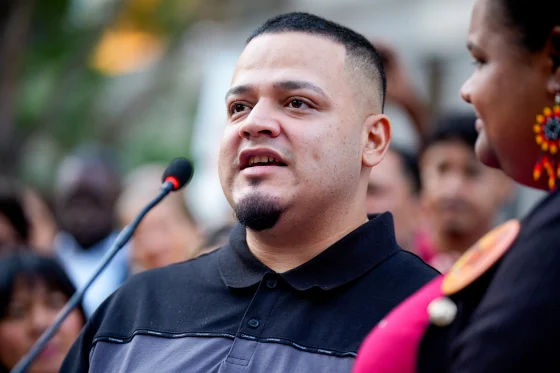
A federal judge in Maryland ruled on Thursday that the Trump administration overstepped its authority by continuing to detain Kilmar Abrego Garcia at the Moshannon Valley Processing Center in Pennsylvania. The decision centers on ongoing efforts to deport Abrego Garcia after a series of legal and administrative complexities that began with his removal to El Salvador in March and a subsequent return to the United States over the summer.
In an opinion issued by U.S. District Judge Paula Xinis, the court found there was no final order of removal in place to justify continued detention, describing Abrego Garcia’s removal as not reasonably foreseeable, imminent, or in line with due process. The judge wrote that since his wrongful detention abroad, he has been re-detained without lawful authority, prompting the release order issued on the day of the ruling.
Following the decision, Abrego Garcia’s defense team announced that he had been released from custody. Reports indicated that he was transported to a private residence in Maryland, where he was seen arriving with a jacket pulled up over his face, and did not speak to reporters gathered outside the location. His lead attorney characterized the ruling as a significant vindication of due process and the rule of law, noting that the government cannot detain a person indefinitely without lawful authority and asserting that all involved agencies must adhere to the court’s directives.
The Department of Homeland Security responded with criticism of the judge’s ruling, describing it as judicial activism. The department maintained that the administration has faced ongoing legal battles over its immigration enforcement strategies, including the high-profile remand and removal efforts against Abrego Garcia. DHS communications emphasized the administration’s stance that the government has a legitimate basis for detaining individuals subject to removal orders and pursuing compliance through the courts.
Abrego Garcia’s case has drawn widespread attention to the broader policy debate surrounding immigration enforcement, detention practices, and the authority of executive agencies in managing complex removal procedures. The court’s decision adds another chapter to a protracted legal saga that has spanned multiple jurisdictions and highlighted the clash between executive actions and judicial oversight. Abrego Garcia is scheduled to appear in connection with related proceedings in Tennessee, where he faces separate human smuggling charges, with a January trial date set in Nashville.


Comments