
Global Food Security and Climate Change: A Growing Crisis for Humanity

Sushil Kumar Rai, Sushil Kumar Rai, Professor and Head
Department of Media, Communication and Fine Arts
Manipal University Jaipur

Climate change is one of the greatest threats to food security around the globe. Over the years, with an increase in population, it has become more and more challenging to ensure that everyone on this planet gets adequate amounts of healthy and safe food. Climate change is disrupting food systems around the world through increasing temperatures, erratic weather and ecosystem degradation.
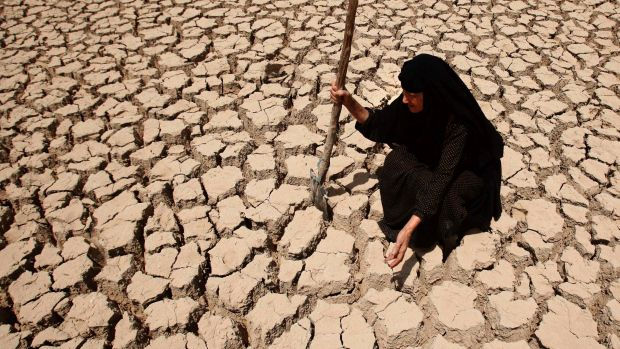
Global warming is the most visible effects of climate change, significantly contributes to the decline in agricultural productivity. In contrast, in the world, higher temperatures triggered irregular and scattered rainfall; prolonged droughts and deadly floods; a frequent heatwave that affects crop yield. The raw materials for most grain-based food like wheat, rice and maize, are vulnerable to the effects of climate change. Agricultural productivity is declining, and food supply is lowered as farmers are unable to cope with modern day weather patterns. For example, Somalia, Ethiopia, Uganda and Madagascar each demonstrate the risks climate change poses to global food security. Repeated droughts and rain failure have devastated harvests and livestock, leaving hundreds of thousands starving.
Food insecurity is increasingly worsened by climate shocks, which are found to trigger price spikes in national and international markets. Rising prices have greatest shocking impact on poor person or families, as they spend a larger portion of their income on food. As a result, hunger and malnutrition continue to rise, primarily in the developing world. Billions of people worldwide are projected to go hungry in this situation, which in turn is also expected to worsen by climate change.
Climate change is also one of the greatest risks facing livestock and fisheries, which are key contributors to food security and livelihoods for billions. Extreme heat stress also impacts livestock, an important economic sector and source of income for many low-income communities globally that reduces the productivity of milk and different types of crops. Likewise, higher temperatures and acidification also continue now nature problems still happening in the ocean causing template fishes populations declining. Climate change is particularly severe for coastal communities and fishery industries: anomalies in ocean temperatures induce species movements, reducing marine biodiversity.
Due to climate change, the poorest of poor people are facing food insecurity. Many of these have economies that depend on ample jobs from agriculture. However, not everyone particularly small and marginal farmers have appropriate access to advanced technologies, irrigation systems; essential insurance or other input resources for impact adaptation. Consequently, crop failures and soaring joblessness push the most disadvantaged strata of world society further into poverty as part of an endless cycle of want and hunger.
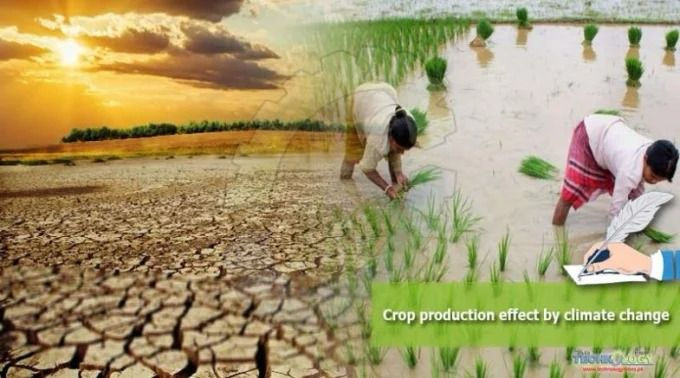
Climate change and Global warming migration due to climate with social instability is another emerging issue. Food scarcity, climate change-induced droughts and environmental destruction force individuals from their communities. It strains cities and their outlying regions, which those who work or live there now consider theirs, not simply a place to retread water in the face of thirst or hunger. Occasionally, this development momentum and social crisis and conflict pace help carry us instability leading or hindering growth as a threatening force.
The solution to this crisis really is to build sustainable and climate-resilient food systems. Climate-smart agriculture, improved management of the water resource base along with significant improvements in minimizing food loss and waste are keys for success too; drought tolerance traits need more investment as well as resilient crops. To take food security into the future requires a combination of technology innovation, sustainable agriculture practices and cooperation on an international scale.
Climate change is no longer just an environmental problem. It is a growing challenge to food security and human well-being. Overcome climate uncertainty for food security together with governments, industry, science and society. Ending hunger in our world without compromising our planet's ability to sustain future generations is only achievable through sustainable and adaptable food systems.



Comments