
The Algorithmic Muse: AI and the Future of Music

Nivedita Chakrapani, Jadeetimes Staff
CULTURE COUNCIL
The music industry is currently navigating its most significant disruption since the invention of the recorded track. The emergence of powerful Generative AI tools is forcing a radical reconsideration of songwriting, performance, and the very definition of creativity. As algorithms begin to generate chart-topping tracks, the industry is grappling with fundamental questions about authorship and human value.
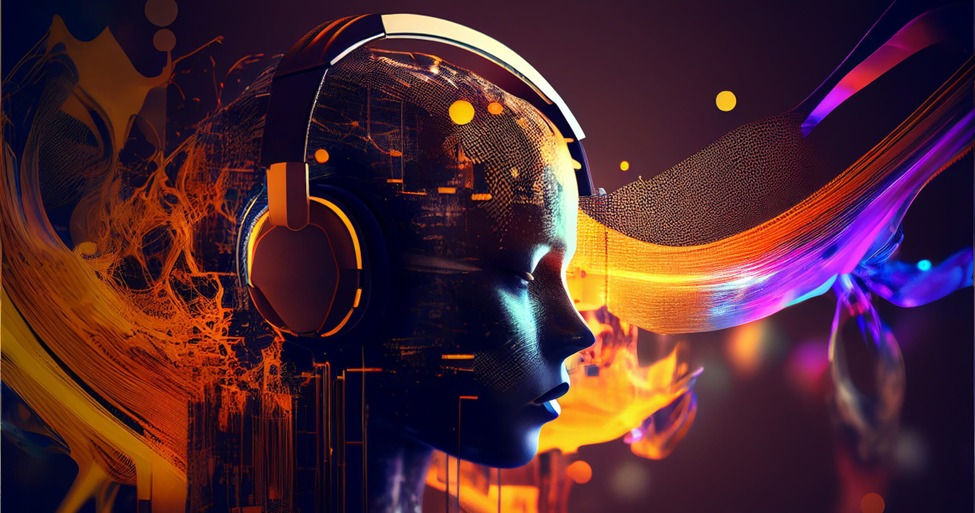
The Hybrid Creative Workflow For artists like synth-pop producer Julianne Chen, technology is a vital collaborator. She and many other creators are transitioning from traditional instruments to AI-augmented design. The reference image below illustrates this new hybrid process. In a hyper-modern studio, a music producer is seen fine-tuning a sound profile, but the conventional physical knobs are replaced by glowing, translucent digital interfaces. Behind her, a complex, flowing waveform visualizes the generative soundscape, combining futuristic blues, reds, and deep purples.
"The AI doesn't have an ego or a soul, but it has an infinite library of patterns," Chen explains. "It helps me iterate through a thousand concepts in an hour. But the intent, the emotional core, and the final curation? That still belongs to the human."
Ethics, Rights, and the Human Element The use of AI is deeply contentious. Critics argue that these models are trained on vast datasets of human effort, often without compensation, eroding traditional copyright structures. As technology outpaces legislation, the industry faces an ethical crossroads. The future of music is a synthesis digital, algorithmic, yet undeniably transformative.


Comments