
The Paperless Revolution—How E-Filing is Clearing the Courtroom Clutter

Adv Mehul Bansal, Jadetimes Staff
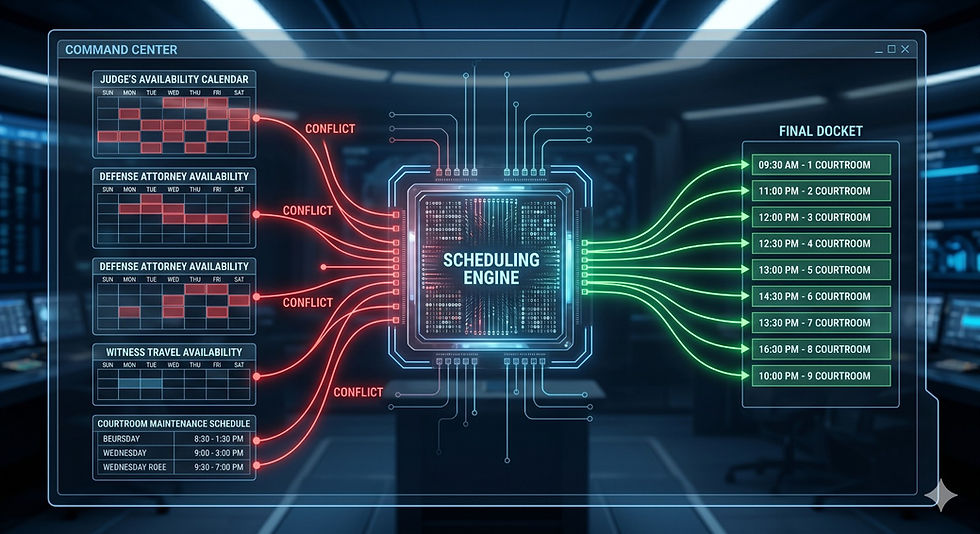
In our previous exploration of judicial delay, the physical court registry overflowing with manila folders, lost documents, and overwhelmed clerks was identified as a primary choke point. The most foundational step on the road to reform is the transition from paper to pixels through Electronic Court Filing (e-filing) and unified Case Management Systems (CMS).
Dismantling the Physical Backlog
For decades, filing a motion required a lawyer (or a paralegal) to physically travel to a courthouse, stand in line, pay a fee at a cashier, and hand over multiple paper copies of a document to be stamped and physically filed. This manual process is highly susceptible to human error, restricted by court operating hours, and agonizingly slow.
E-filing systems allow legal professionals and self-represented litigants to submit documents securely over the internet, 24/7. This immediately eliminates the logistical friction of physical filing. When integrated with a robust CMS, the submitted documents are automatically routed to the correct judge's queue, the opposing counsel is instantly notified via email, and the document is permanently stored in a searchable database.
Speed, Transparency, and Accountability
The transition to e-filing does more than save paper; it enforces a strict, unalterable digital timeline.
Timestamp Accuracy: Arguments over whether a deadline was met are eliminated; the system records the exact second a file is submitted.
Searchability: Judges and clerks no longer need to spend hours hunting for a specific affidavit buried in a 500-page physical binder. Optical Character Recognition (OCR) makes case files entirely searchable by keyword.
Reduced Administrative Burden: By automating the intake process, court clerks are freed from data entry and filing, allowing them to focus on higher-level administrative tasks that actually move cases forward.
While the initial implementation of e-filing systems can be costly and require significant training, jurisdictions that have fully embraced the paperless model have seen dramatic reductions in processing times, proving that digitizing the foundation is the first step to a faster system.


Comments