
Why Do Sri Lankans Still Trust National Security Under a Government That Failed to Stand With a Young Victim?

Jatinder Singh, Jadetimes Contributor
J. Singh is a Jadetimes news reporter covering the USA

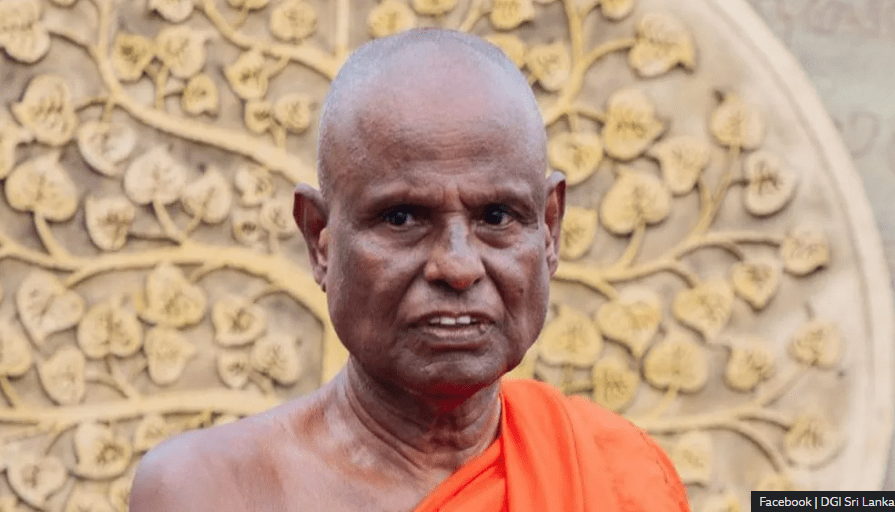
The recent case involving senior Buddhist monk Pallegama Hemarathana Thero has become more than a criminal investigation. For many Sri Lankans, it has become a painful symbol of how power, politics, and religious influence continue to dominate justice in the country.
A young girl came forward with allegations of sexual abuse against one of the most powerful Buddhist monks in Sri Lanka. The nation expected a strong response from authorities — one that would place the safety, dignity, and protection of the child above everything else. Instead, what followed created public anger, confusion, and deep distrust.
The monk was hospitalized, granted bail, and handled with extraordinary caution while the alleged victim remained at the center of a traumatic national controversy. Across social media and civil society discussions, many Sri Lankans began asking the same question: if this had happened to an ordinary family without influence, would the system have acted differently?
For a government that came to power promising transparency, equality, and justice, this case has damaged public confidence. Many citizens now feel that political leaders speak about protecting women and children only when it is politically convenient. When allegations involve powerful religious figures with social and political influence, the system appears hesitant, cautious, and protective.
The frustration is not only about one monk. It is about the repeated belief that influential individuals in Sri Lanka can escape the full weight of accountability while ordinary citizens face harsh treatment for far less serious accusations.
Sri Lanka has witnessed multiple controversies involving members of religious institutions over the years, including allegations of abuse, exploitation, corruption, and violence. Yet many cases fade away without meaningful legal closure. This pattern has created a dangerous perception that institutions are often protected more aggressively than victims.
Critics argue that governments fear confronting powerful sections of the Buddhist clergy because monks continue to hold major influence over elections, nationalism, and public opinion. As a result, political leaders often avoid taking firm public positions when controversies involve influential religious authorities.
For many young Sri Lankans, this has become a crisis of moral credibility. A government cannot claim to defend justice while appearing silent during cases involving vulnerable children and powerful suspects. Public trust collapses when victims appear isolated while institutions appear protected.
This is not an attack on Buddhism. Millions of Sri Lankan Buddhists themselves are demanding accountability because protecting religion should never mean protecting alleged abuse. True religious integrity requires transparency, justice, and moral courage.
A society is judged by whom it protects during moments of crisis. When a child accuses one of the country’s most powerful religious figures of abuse, the nation should stand visibly beside the victim first — not appear more concerned about protecting influence, status, and institutional reputation.
The anger surrounding this case reflects a larger national reality: many Sri Lankans no longer fear only corruption. They fear unequal justice.
And once people begin to believe that power matters more than truth, trust in both government and institutions begins to collapse.


NK 88 tối nay mình có ghé qua xem giao diện họ trình bày ra sao lúc đang ngồi chờ việc, cứ kéo xuống đọc lướt thôi mà vẫn theo kịp vì bài được chia thành mấy khối nội dung rõ ràng, tiêu đề dài nhưng tách đoạn gọn nên mắt đỡ phải dò từng dòng, nhìn khá “thoáng” kiểu blog tin tức chứ không rối. Phần giới thiệu có để hẳn giấy phép Offshore Gaming License No. EC-00205 của PAGCOR, nằm ngay khu vực thông tin nền tảng nên ai để ý là thấy liền. Menu đặt chỗ dễ nhìn. Chuyển mục cũng mượt. Mình thích nhất là các heading kiểu “nền tảng cá cược uy tín… bảo hộ…
https://link-rr88.com/ mình ghé thử vì thấy bạn bè nói qua, kiểu vào xem giao diện ra sao thôi. Ấn tượng đầu là trang load khá nhanh, bố cục chia mảng rõ ràng nên nhìn không bị rối. Mình lướt phần giới thiệu thấy họ ghi khá cụ thể về quá trình hoạt động (hình như bắt đầu từ 2015), đọc vài dòng là nắm được hướng họ muốn xây dựng. Thanh điều hướng đặt ngay chỗ dễ thấy, chuyển giữa các mục cũng mượt, không phải kéo lên kéo xuống tìm nút. Nói chung cảm giác “thân thiện” đúng kiểu, chữ với khối nội dung canh gọn nên đọc đỡ mệt, nhất là mấy block trên trang chủ nhìn trực…
hm888.today tối qua mình lướt lúc nghỉ tay, chủ yếu muốn xem họ trình bày thông tin có rõ ràng không. Chủ đề nghe hơi “khô” thật, nhưng đọc vài đoạn là nắm được ý. Trang nói thẳng chuyện nên kiểm tra đúng địa chỉ trước khi đăng nhập hay nhập thông tin, vì ngoài kia dễ có mấy site tên gần giống nhau. Điểm này mình thấy thực tế, đọc xong cũng tự nhắc mình cẩn thận hơn. Giao diện thì kiểu đơn giản, chữ dễ nhìn, kéo xuống là gặp các tiêu đề tách bạch nên tìm đoạn cần đọc khá nhanh. Mấy phần lưu ý được đặt thành box nhìn liền mạch, đặc biệt đoạn nói về…
uu88 mình cũng mới ghé thử vì thấy bạn bè nhắc hoài, chủ yếu vào xem giao diện ra sao thôi. Cảm giác đầu tiên là màu sắc kiểu trung tính nên nhìn khá dễ chịu, không bị chói mắt như nhiều trang khác. Mình hay khó chịu nhất khoản menu rối, mà ở đây các mục được gom lại gọn gàng, bấm vài cái là ra đúng chỗ chứ không phải mò mẫm lâu. Lướt xuống trang chủ thấy mấy khối nội dung chia rõ ràng, khoảng cách chữ ổn nên đọc nhanh vẫn hiểu họ đang nói gì. Nói chung trải nghiệm kiểu “vào xem thử” mà lại thấy dễ dùng hơn mình tưởng, nhất là cách họ…
88v bet tối qua mình mở trên điện thoại lúc nghỉ tay vài phút. Trang vào khá nhanh, cảm giác bấm qua lại không bị khựng nên mình lướt một mạch từ trên xuống dưới mà không thấy khó chịu, mấy khối nội dung canh thẳng hàng nhìn gọn mắt nên đọc kiểu “đến đâu hiểu đến đó” chứ không phải đảo lên đảo xuống tìm chỗ cần xem. Phần giới thiệu họ để thông tin giấy phép PAGCOR với trụ sở ở Philippines ngay trong đoạn đầu, đặt hơi “thẳng thừng” nhưng lại dễ tin hơn vì không giấu ở chỗ khó nhìn, và chữ nghĩa cũng không quá rườm rà. Nói chung giao diện không màu mè, nhưng…